Archived Content
This student profile has been archived and is no longer being updated.
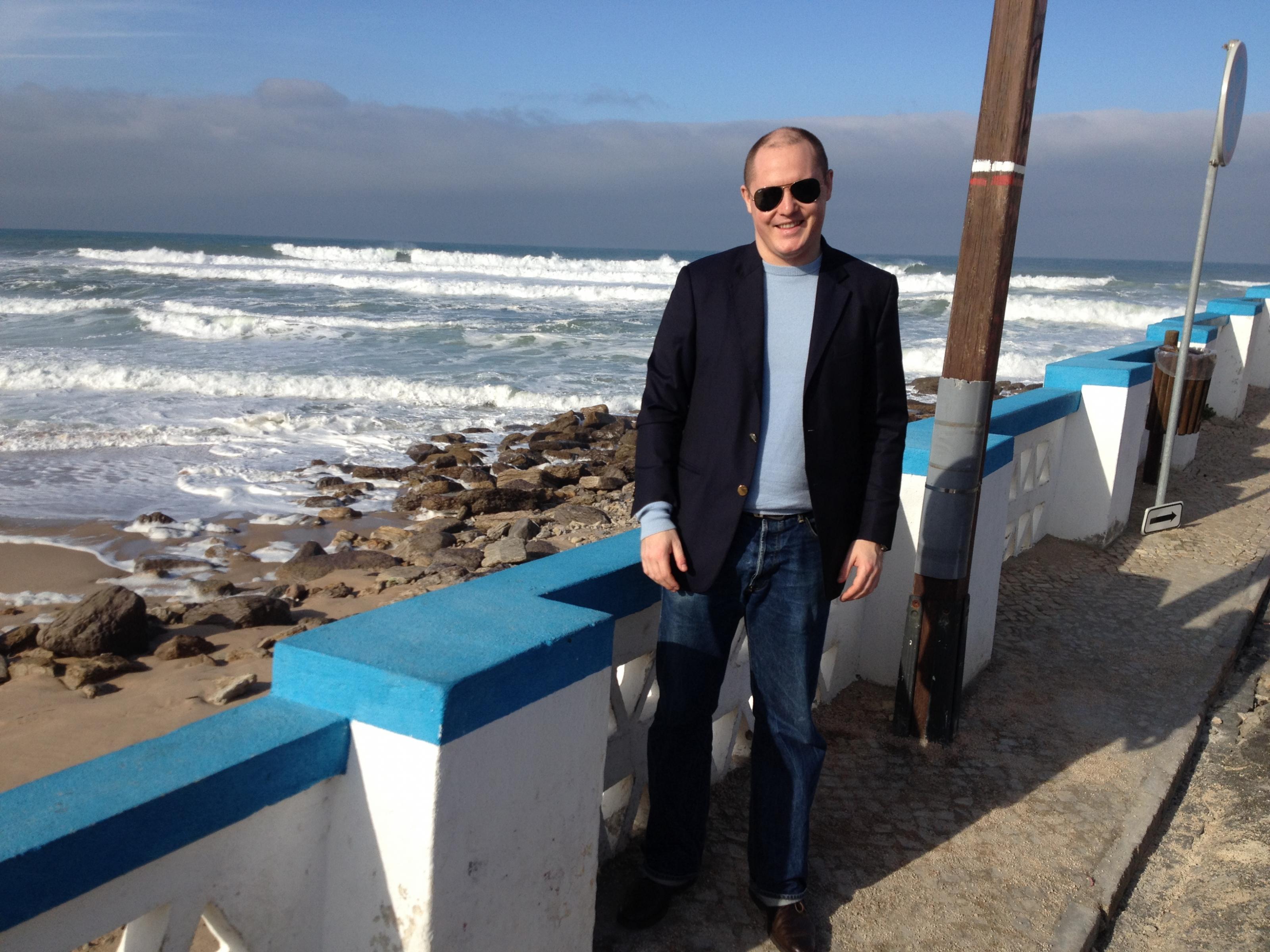
I felt that I wanted to further explore the topic I was interested in, and the only way to do that was to study it in grad school. What directed me towards grad school was never career considerations/planning but pure, condensed interest. Also, I have to write to live, so the prospect of sharpening my writing skills was crucial for me. Finally, I firmly believe that life is defined not by the amount of times one breathes but how many times one is left breathless. I wanted more of such moments.
My choice was easy; my field is very small and the best scholar according to me, without any doubt or equivocation, was at the Department of Asian Studies at UBC. I met Professor Anne Murphy in India in 2010, and realized quickly that she was the person I most of all wanted to guide me for my degree. I consider myself very lucky indeed to have such an advisor, and that is part of my motivation for working as hard as possible. I want to do this privilege justice, and I think that hard work is the best way to go about that.
Apart from being guided by Professor Murphy, the program offers the ability to receive proficiency in both languages and the theoretical literature needed to write a high level dissertation. The language training in particular has been extremely impressive, and even though it takes lots of work to be able to fulfill the requirements, it's beyond useful.
The best surprise about life in Vancouver to me is that it's relatively easy to combine a meaningful life outside grad school with the high demands of the PhD program. I firmly believe that one must have both in order to stay sane.
Three things stand out for me. The first is to sharpen and perfect my writing, which is of tremendous value to me not only for reasons of paper writing but also at the purely personal level. This goes hand in hand with doing the research, which is heavily based on translation which I truly find stimulating. Finally, teaching is wonderful! I have really been privileged with meeting bright and hard working undergraduates who are beyond impressive.
The academic job market seems a bit unsteady so to be fair, I don't know exactly what specific challenges I will face once I'm done with my dissertation. The general ones however are producing a solid dissertation and getting some articles published.
My program in general, and my advisor in particular, have both prepared me for facing those challenges in as constructive a way as possible. The dual project of writing an excellent dissertation and writing articles for publication has been part of the conversation since my first day at UBC.
Some aspects of the training I received in Sweden were good, for example I've mostly written my papers in English since an early age. Also, being close to my academic mentor and understanding that this is crucial for doing high level academic work was very beneficial when I got to UBC. Finally, I spent a year in India after completing my master's degree, which was eye opening for me. It sparked my interest and fueled my determination.
Singing, weight lifting, hikes and all activities that guarantee lots of laughter, no matter what they might be.
Don't enter grad school for any other reason than interest and interest only. The amount of work you will have to do is sometimes very taxing, so genuine interest is the best antidote to burning out. Also, iron sharpens iron so make sure you work with people who share your interests and drive. Finally, resist boredom by all means necessary.
My research is based on (but not limited to) translating, contextualizing and analyzing a series of manuals of Sikh religious etiquette from the early 18th century in North India. It relies heavily on historical contextual considerations, in order to trace the larger process of why this literary genre appeared during that time period. Additionally, the project seeks to explore the question of whom this literary production was aimed at, i.e. who was its intended audience. Finally, it also seeks to trace the literary and historical relationship to other forms of similar literature from similar religious communities from the same historical period.